


Profitability and feasibility study
Why invest in Tulum, how, in what type of property? How much does it cost and how profitable is it? What sources can be used to calculate the return on investment?
What are the specific notarial requirements in Mexico?
Who should I entrust with the rental management of my property once it has been acquired, and why is this choice so important?
What financial guarantees do I have during the construction phase? How long will it take, and who will guarantee its quality and completion?
You must have dozens of questions...
If you're keen to invest in a foreign country, but have no contacts or sources of information to turn to, the task may seem complicated.
This is where you'll find the information you need to answer your questions and forge an informed opinion. We've tried to be exhaustive in the sections that follow, and if you don't find the answer you're looking for, we're here to help - just contact us.
1. Economic data on tourism in Mexico
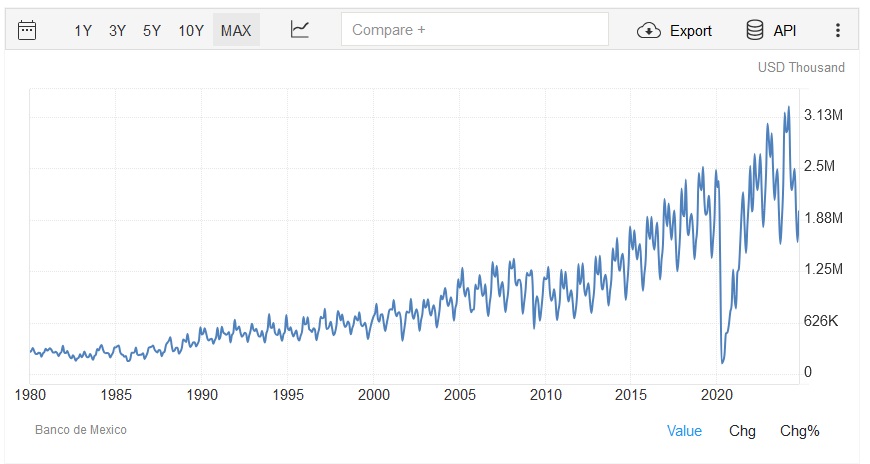
Depending on the source, tourism's share of Mexican GDP varies between 7.5% and 8.5%. Mexican tourism revenues averaged $909967.98 thousand USD from 1980 to 2024, reaching a record high of $3257766.94 thousand USD in March 2024 and an all-time low of $130108.21 thousand USD in April 2020. Source: Banco de Mexico
The latest balance sheet from the Ministry of Tourism, corresponding to the first half of the year, shows that up to 20,098,000 international tourists entered Mexican territory, representing a double-digit acceleration - 11.7% - for the country compared to the same period in 2022.
In the analysis by country of origin, the Ministry of Tourism reports that between January and June 2023, more than 10,843,000 visitors landed in Mexico by air, of whom 60.7% were citizens of the United States, 12.8% of Canada, 3.3% of Colombia and 2.1% of the United Kingdom.
In short, there has been a steady increase in the number of tourists, mainly from the North American continent. This type of tourism, with its high purchasing power, is thriving, as it is attracted by top-quality services offering good value for money, as well as easy access in terms of transport.
Tourism revenues in Mexico
2. Mexican government investment in Tulum
The Mexican government is well aware of the importance of tourism to the country's GDP. As a result, it is investing in the development of Tulum and creating infrastructure to accommodate the growing number of tourists.
These investments include an airport, a railroad line and roads to improve access to the beach. It also includes the expansion of electricity and communications networks. Services and security are also being constantly upgraded.
Tulum Airport
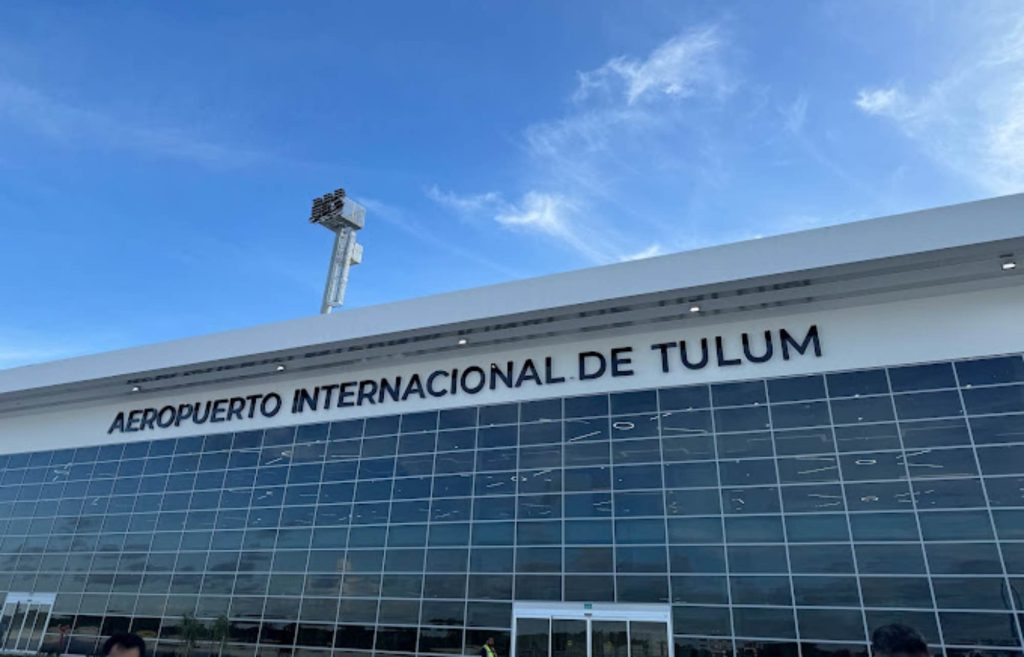
Tulum airport received its first flight on March 28, 2024.
The number of airlines serving it is limited by its recent opening, as they have to create the routes landing there. Despite this, activity is exceeding all forecasts, and passenger numbers will continue to grow as new routes are opened.
The International Air Transport Association predicted that we would welcome 700,000 passengers in this first year," says Governor Mara Lezama Espinosa. We have far exceeded this target, reaching over 1,074,000 passengers and 8,500 flight operations as of November 21. And we still have one month to close out the year! "This airport puts Tulum just a few hours from most U.S. airports. Tulum is becoming a destination where you can even consider spending your weekends, not just a week-long or ten-day vacation.
Maya Train
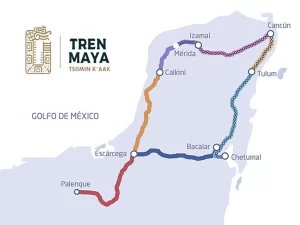
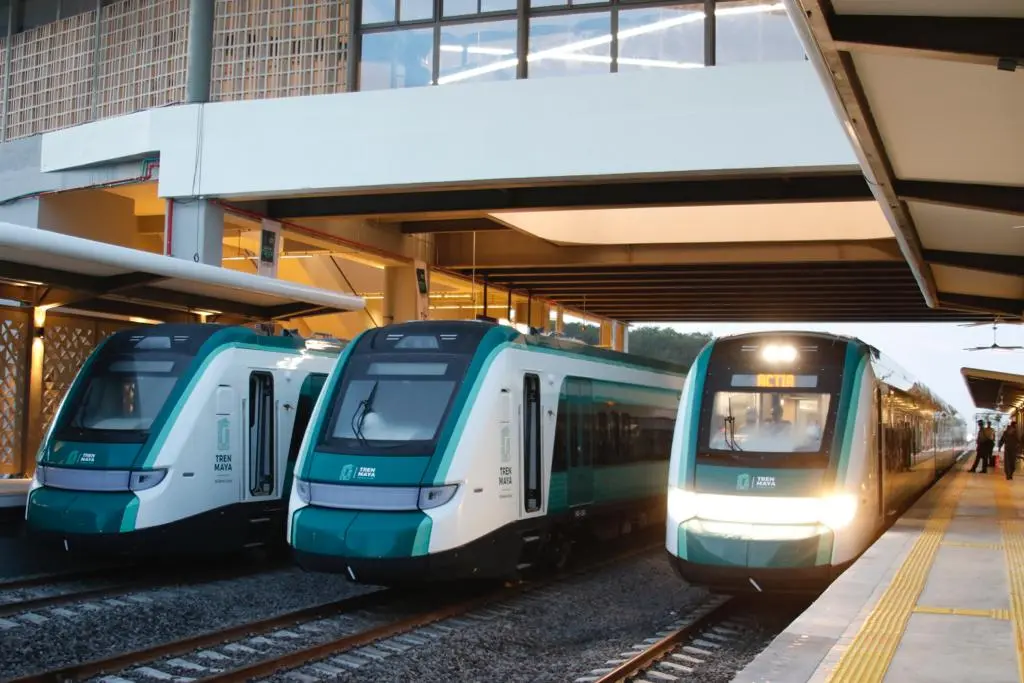
Tulum's new airport, despite its figures beyond all expectations, is still under development and is not yet served by as many airlines as Cancún. Travellers still unable to land directly at Tulum can take advantage of the Mayan train linking Tulum and Cancún.
Touristically and economically, the Mayan train is a major asset for easy travel throughout the Yucatán Peninsula.
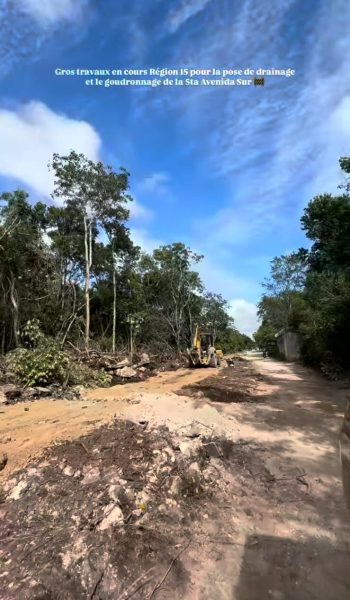
Roads: Construction of 5ᵉ Avenue
A third road is being built to the west, between the town of Tulum and the beach.
This new road adjoins regions 15 and 8.
It is designed to de-saturate the other two roads, "la cuculcan and coba", which are reaching their capacity limits due to the growing number of tourists.
3. AirbnB /AirDNA, supply and demand analysis
Almost all rentals on tulum are via AirbnB. Full AirbnB figures are available with a paid subscription to the AirDNA application. You can find out the rates charged by each AirbnB rental, its occupancy rate, its turnover, its profitability, etc., throughout the world in general, but more specifically in Tulum.
We have analyzed the rental market according to the number of rooms.
AirDNA allows you to group statistics for "studio/2 or 3 bedrooms", "4 bedrooms" and "5 bedrooms".
Beyond that, the statics cover 6 to 15 bedrooms and don't allow you to isolate the 6-bedroom sector, for example, so you have to select these units one by one. Below you'll find global statistics for 2/3-bedroom, 4-bedroom and 5-bedroom studio rentals, as well as a graph showing rental demand for each month of the year.
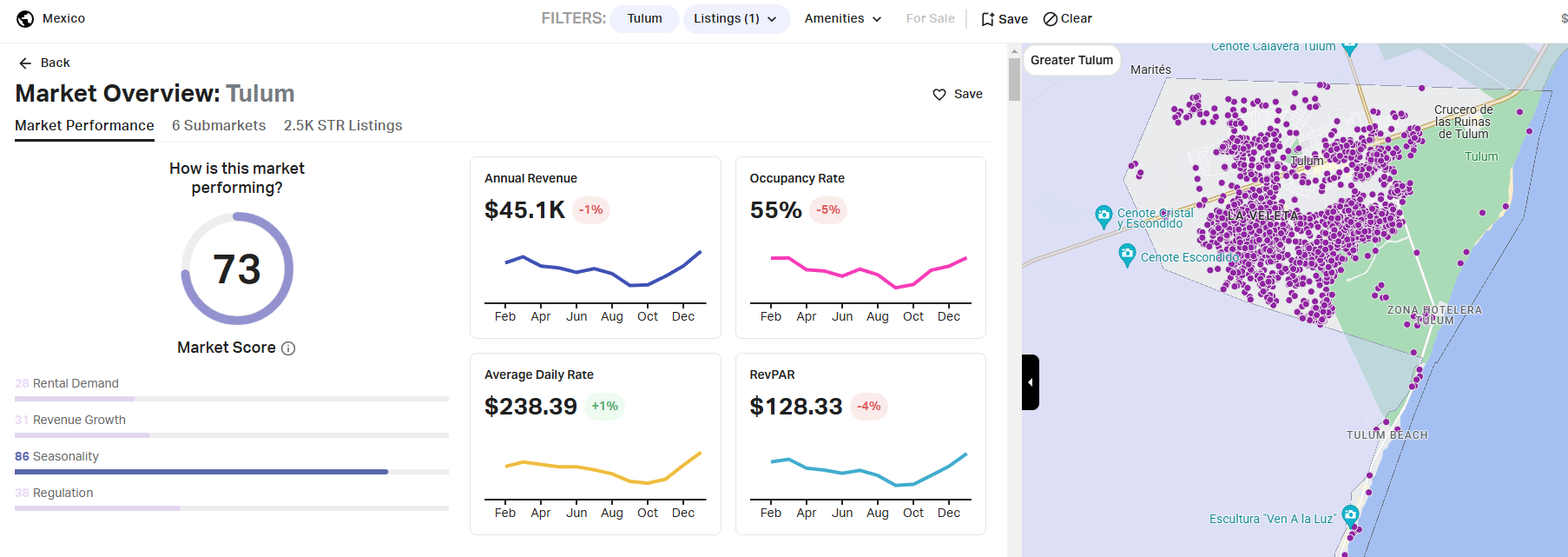
Fig 1: 2 and 3-bedroom studio statistics
In filters, we have: studio and 2 or 3 bedrooms, 1 to 6 people, 1 to 3 bathrooms.
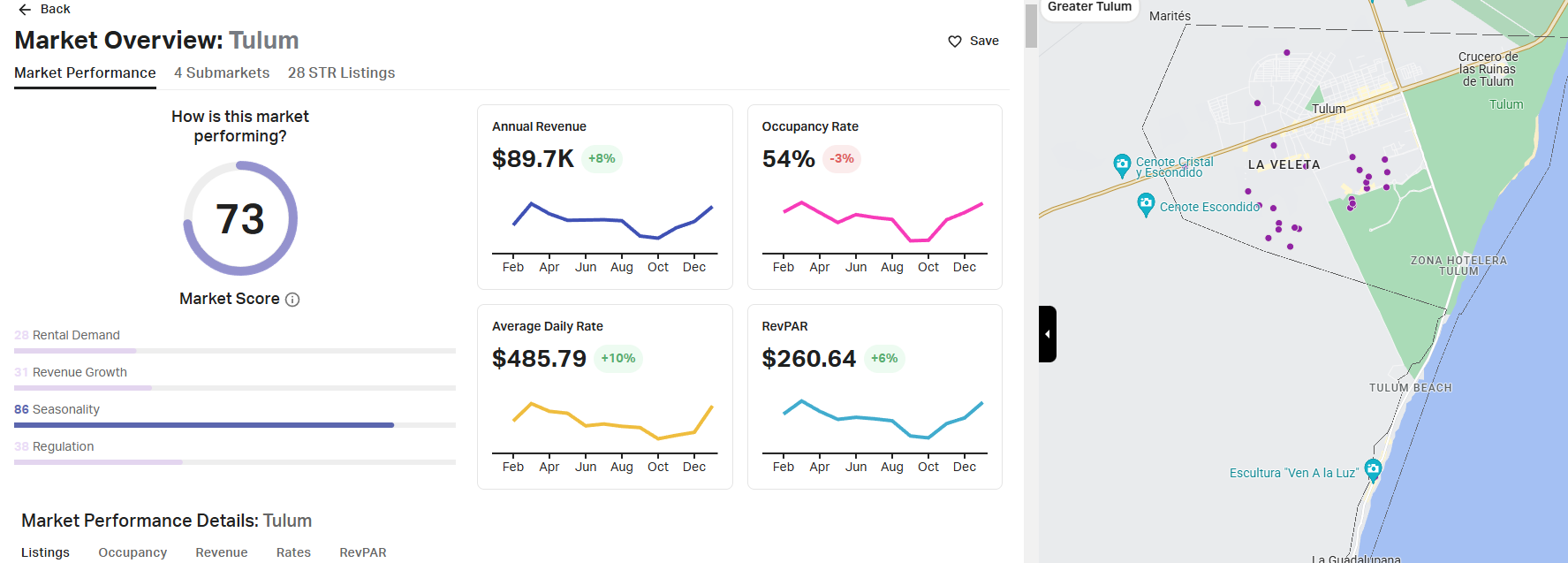
Fig 2: 4 rooms
Filters: 4 bedrooms, sleeps 6 to 8, 1 to 4 bathrooms.
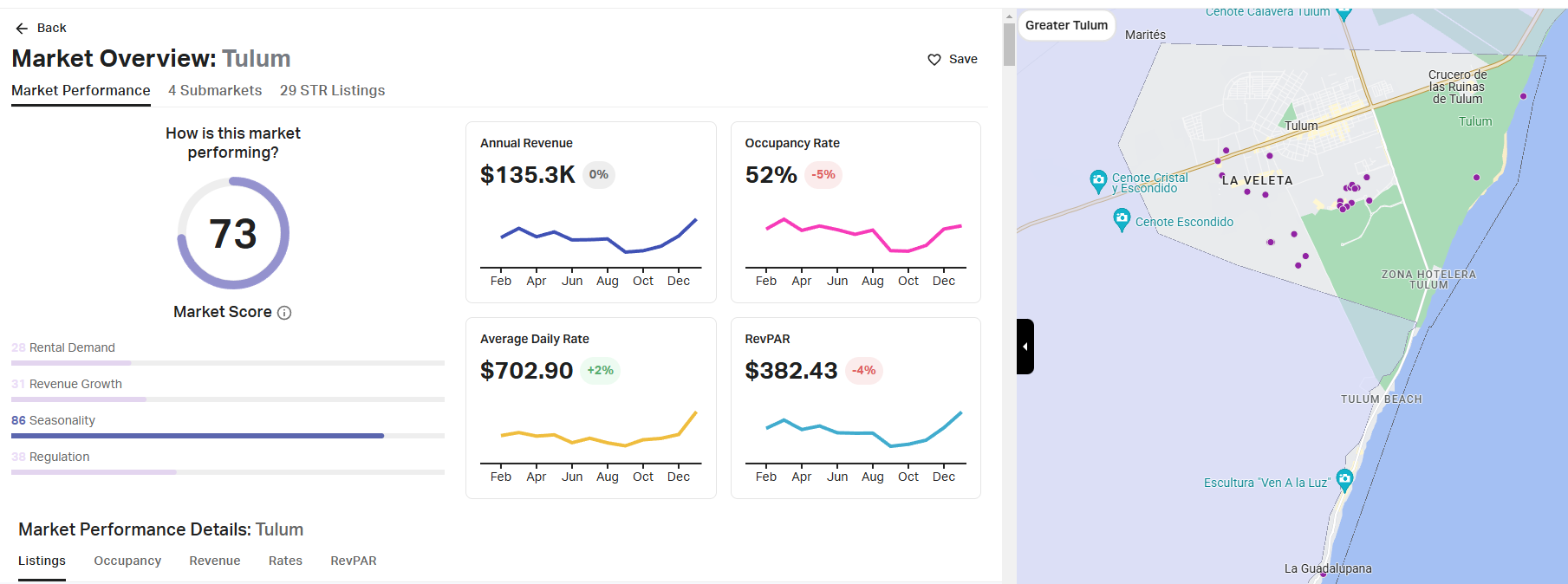
Fig 3: 5 rooms
Filters: 5 bedrooms, sleeps 8 to 10, 1 to 5 bathrooms.
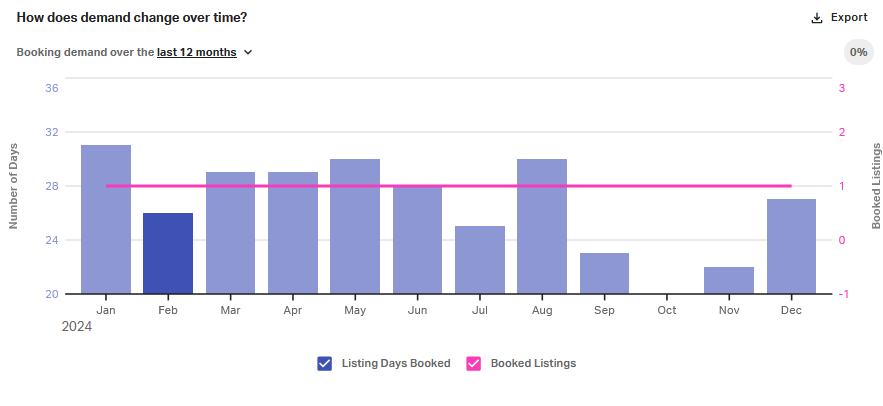
Fig 4 rental requests per month
Here, we'll look specifically at the 6-bedroom home market.
In zone 15, only 5 rentals are offered in this category (fig. 5 to 9). Each figure shows sales and occupancy rates. You'll notice significant disparities in these figures in the table, which has a line showing the average values for these 6 rooms.
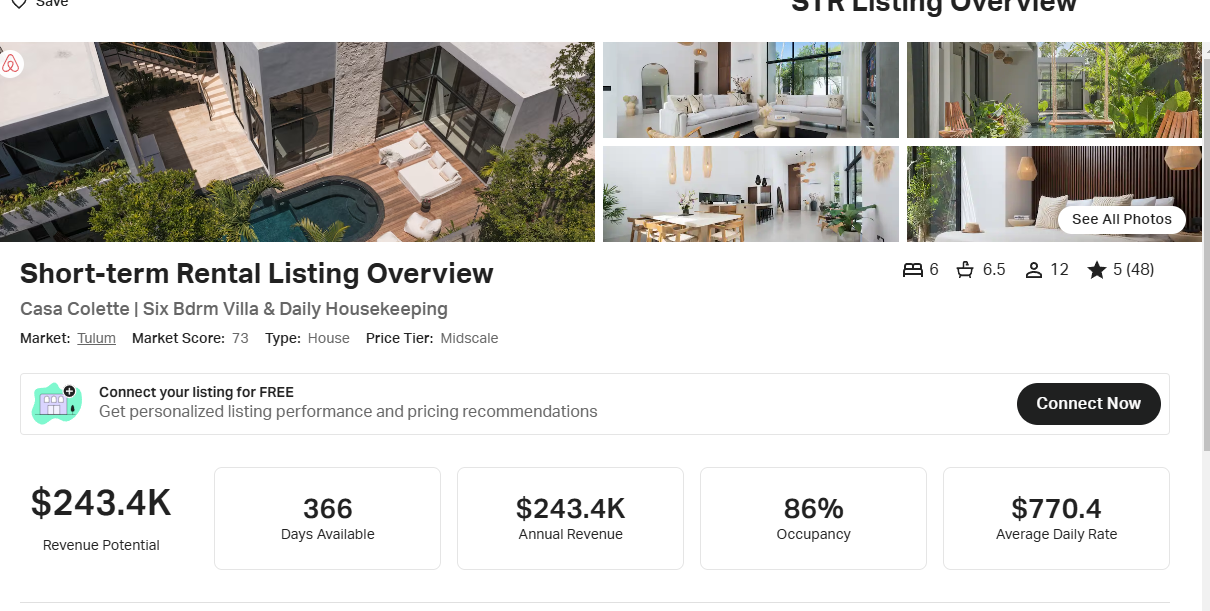
Fig 5: 6 rooms
Filters: rooms for 10+ people, 5+ bathrooms.
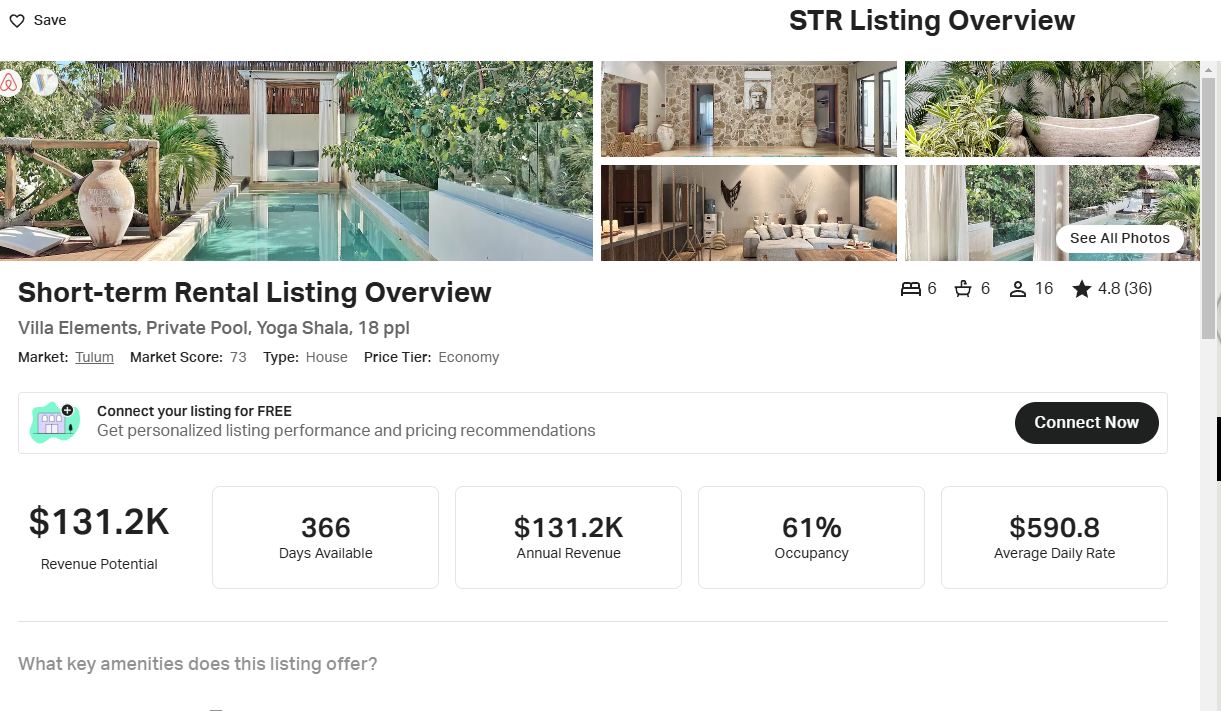
Fig 6: 6 rooms
Filters: rooms for 10+ people, 5+ bathrooms.
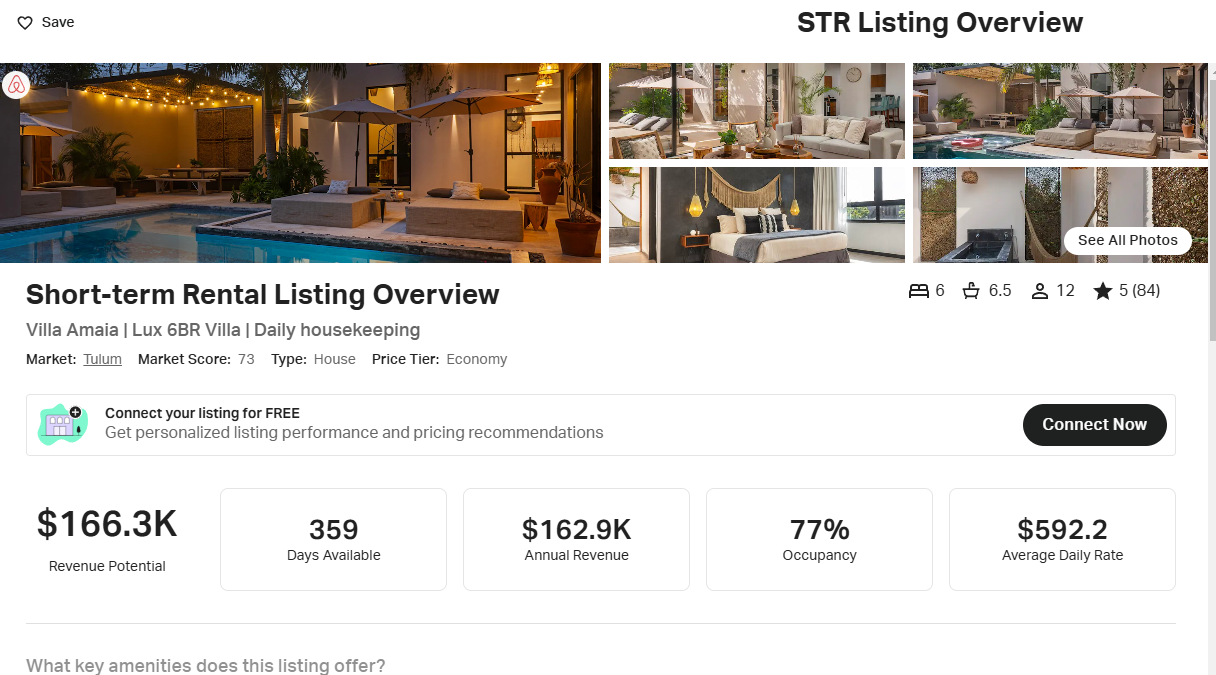
Fig 7: 6 rooms
Filters: rooms for 10+ people, 5+ bathrooms.
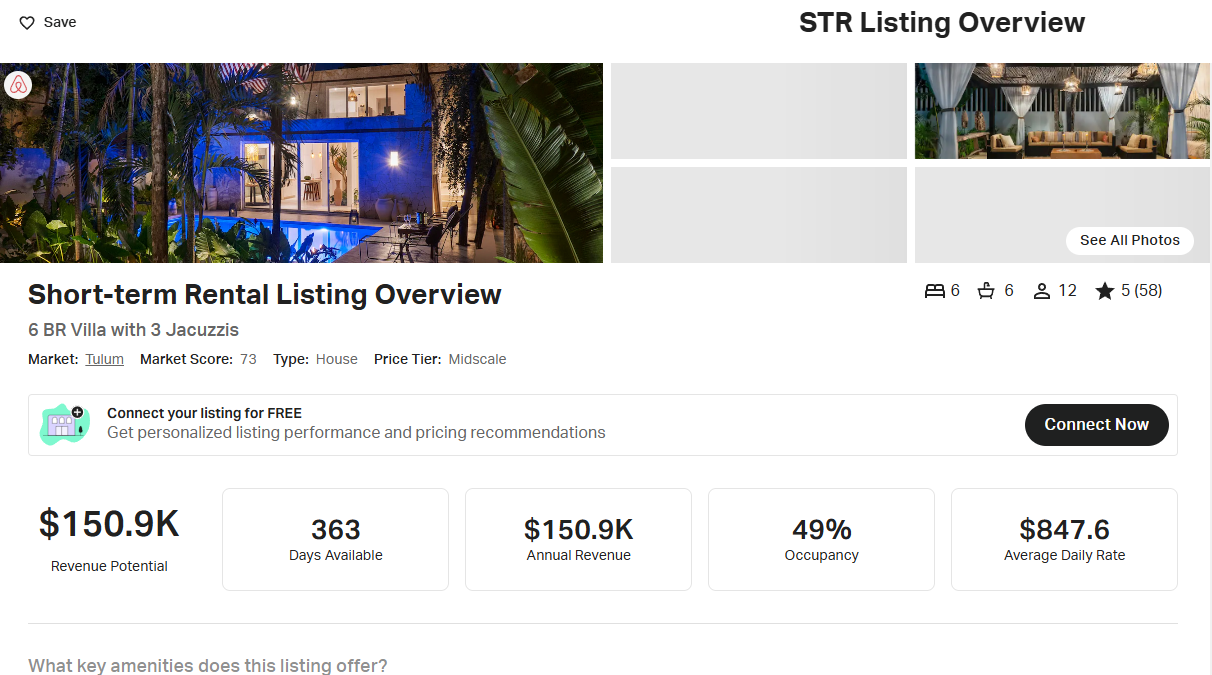
Fig 8: 6 rooms
Filters: rooms for 10+ people, 5+ bathrooms.
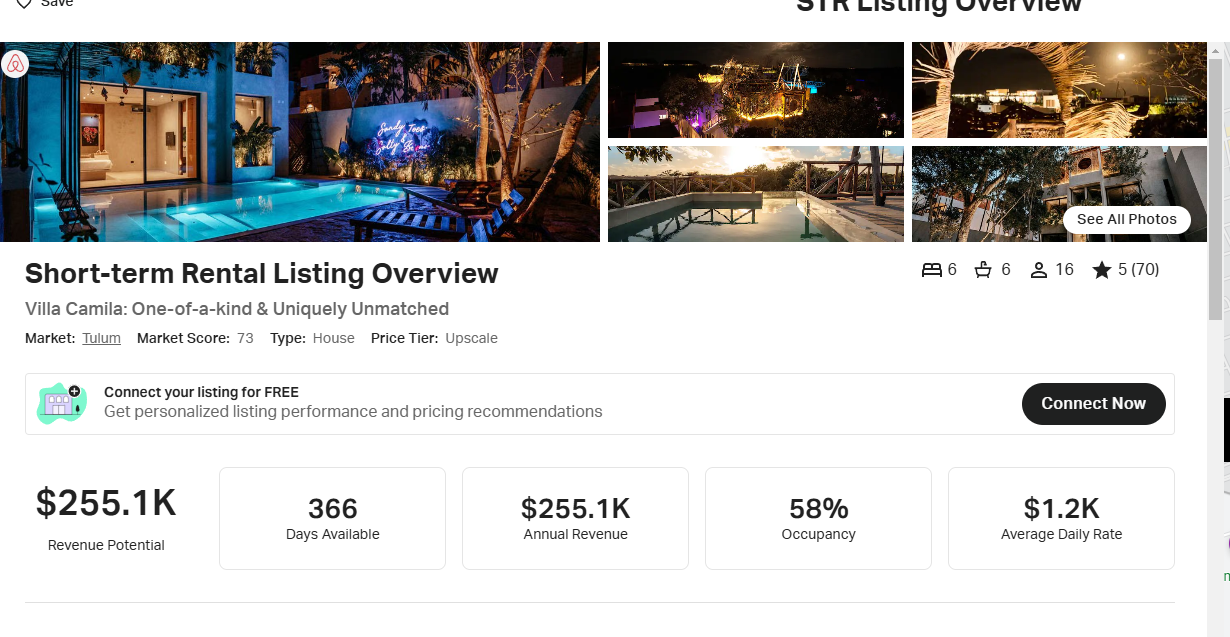
Fig 9: 6 rooms
Filters: rooms for 10+ people, 5+ bathrooms.
| Housing type | Annual sales | Occupancy rate | Expenses 24 | Profit | Purchase price * (excl. VAT) | RIO |
|---|---|---|---|---|---|---|
|
Studio/2-3 Bedroom |
45.1 K $ |
55%
|
10.8 K$ |
T2 |
T2 |
T2 |
|
4 bedroom |
89.7 K$ |
54% |
21.5 K$ |
68.2 K$ |
? |
%? |
|
5 Bedroom |
135.3 K$ |
52% |
32.4 K$ |
102.8 k$ |
? |
?% |
|
6 Bedroom (global) |
188.3 K$ |
66% |
45.1 K$ |
143 K$ |
800 K$ |
17.87 % |
|
6 bedroom detail |
||||||
|
6 Bedroom fig 5 |
243.4 K$ |
86% |
58.4 K$ |
184.9 K$ |
||
|
6 Bedroom fig 6 |
131 K$ |
61% |
31.4 K$ |
99.5 K$ |
||
|
6 Bedroom fig 7 |
162 K$ |
77% |
38.8 K$ |
123 K$ |
||
|
6 Bedroom fig8 |
150 K$ |
49% |
36 k$ |
114 K$ |
||
|
6 Bedroom fig 9 |
255 K$ |
58% |
61.2 K$ |
193.8 K$ |
||
Table analysis
There has been an increase in the occupancy rate proportional to the number of rooms available. This is due to the forced adaptation of the market to supply and demand.
Mainly because it was impossible to keep up in terms of the infrastructure needed to accommodate the growing number of tourists, the municipality of Tulum changed the urban planning rules in November 2024, which has the effect of complicating the construction of this type of accommodation.
In any case, the rental market for studios and 2/3-bedrooms is saturated with supply. Competition in this market has driven prices down, and acquiring a property of this type at this time is not appropriate. 4 and 5-bedroom rental properties, as shown in the table, offer a slightly better return, but are far from optimized.
While the market is saturated with small units, it is poor in properties with more than 5 bedrooms. In fact, RIOs vary by a factor of two between small and large units. In practice, the same dollar invested in a large property will earn you twice as much as the same dollar invested in a small property. That's why, if you don't have the funds to invest in a large property, our partner brokers offer you the opportunity to group together and buy a property with more than 5 bedrooms. Don't hesitate to contact them, and they'll provide you with all the information you need. The 6-bedroom market is much better, but there are still disparities that need to be optimized. This is due to the quality of the properties on offer and whether or not they are managed by a concierge. For example, the property in fig6, even though it's listed as a 6-bedroom Airbnb, is in fact a penthouse without a garden, which can't claim the same rates as other properties also listed as 6-bedrooms.
One very important thing "Cf fig4" is to adapt the rental price to current demand. If you keep your rental price constant, you won't rent during periods when supply is lowest. It's better to rent less during these periods than not at all, to optimize your sales. This adaptation is an essential part of your Airbnb manager's job.
From the outset, your property must be an attractive and desirable condo or house in terms of aesthetics and comfort. HBFS-Brothers, with its Osanna villas, will provide you with properties optimized in this sense to match the results of the villas in fig 5 and 9.
Secondly, for your property to generate an optimum return on investment, it must be managed with a marketing strategy that reflects this.
You'll need to provide top-quality customer service. The aim is to win back a share of loyal, repeat customers, and most importantly, positive reviews on rental platforms. Achieving super-hot status so that an undecided customer chooses you and not someone else is the result of complicated, technical work. It requires full-time commitment, experience and a sense of service that comes from years of practice.
Entrusting the rental management of your property to a professional is almost mandatory to optimize your RIO.
The location of a property also influences its rental appeal. A beachfront property will always be more sought-after. The extreme rarity and price of this type of property means that, in practice, only jungle constructions remain available. In this category, zones 15 and 8 are currently the best located.
4. Operating expenses
Count 24%.
In Operating Expenses, you need to integrate local taxes and Airbnb fees.
Local taxes represent 4% overall and Airbnb fees 20%. As we saw earlier, managing your property with a quality concierge service is the key to optimizing your RIO. If you decide to manage your property yourself, you'll add 20% to your profits, but run the risk of reducing your turnover.
5. Guarantees and protection during construction: the escrow account
Building in a foreign country thousands of kilometers away requires guarantees.
These are set up via an escrow account.
With an escrow account, the sums paid for the completion of the various stages of the work are blocked at the bank, and can only be released once the successful completion of the work has been ascertained and validated by a third party defined and accepted by the builder and the buyer.
6. Financing
If you're a Canadian or American citizen, our broker can help you find bank financing. Contact him so that he can give you all the explanations you need, put you in touch with the banks and facilitate your dealings with them.
7. Notarial specificities
The concept of the Restricted Zone
The 1917 Political Constitution of the United Mexican States and Mexico's Foreign Investment Act stipulate that foreigners may not acquire ownership of real estate located less than 100 kilometers from Mexico's land borders and less than 50 kilometers from the country's beaches, an area referred to as the Restricted Zone (Zona Restringida).
In the case of real estate located within the Restricted Zone, the foreign buyer will have to resort to a legal mechanism whose name dates back to Roman law: the Fideicommis (Fidecomiso) and whose regime is similar to that of the Trust in Anglo-Saxon countries, in order to indirectly acquire ownership of the real estate.
A foreign entrepreneur may, however, acquire real estate located in a Restricted Zone on a freehold basis, provided the acquisition is for non-residential purposes.
The Fideicommis involves 3 parties:
- the Settlor (Fideicomitente) who will transfer ownership of his property (the Seller);
- the Trustee (Fiduciary) who will become the owner of the property. The institutions that can be Fiduciaries are listed exhaustively by law, and will generally be Mexican banks;
- The Beneficiary (Fideicomisario), who will be the beneficiary of the transaction (the Buyer).
The Fiduciary will be the owner of the property, which will be transferred to the Beneficiary in return for payment of the price agreed between the parties (the Buyer and the Seller).
The Beneficiary will have full rights over the property (he or she will be able to sell or rent it), but will not be the true owner of the property, due to the constraints imposed by Mexican law.
The Fiduciary will own the property, but will under no circumstances have the power to exercise acts of management over it. For the purposes of this article, the Fideicommis (which can be used for purposes other than the purchase of real estate) should be seen simply as a legal arrangement designed to enable foreigners to acquire property in the Restricted Zone. The Fiduciary must be remunerated for his work.
The Fiduciary contract will be concluded for a period of 50 years, and may be automatically renewed once. Thereafter, renewal of the contract will require the approval of the General Secretariat for External Relations (Secretaría de Relaciones Exteriores).
The real estate purchase transaction in the Restricted Zone will have the same characteristics as outside the Restricted Zone, and will require the drafting of a contract scrupulously specifying the obligations of the parties and the conditions of sale, and the notarization and registration of the transfer of ownership with the Mexican Public Property Registry (Registro Público de la Propriedad).
Prior authorization must also be obtained from the Secretariat of Foreign Relations (Secretaría de Relaciones Exteriores).
The use of legal counsel is strongly recommended to ensure that the various stages of the sale are carried out as smoothly as possible.
In spite of its dual legal system, investing in real estate in Mexico does not present any major difficulties, and allows you to invest your assets in a country with an increasingly promising future.